Evidence, not hype, for a calmer nervous system.
Plain-spoken, science-grounded field notes on the body's regulation systems: the vagus nerve, breath, sound, and the small daily protocols that move the needle.
-

Why Meditation Makes Some People Feel Worse
Meditation makes a real minority of people more anxious, not less. The mechanisms behind it, who it happens to, and what to do instead. | The Rooted Rhythm
Read the field note → -

CO2 Tolerance: Why Breathing Exercises Backfire
Your urge to breathe is driven by carbon dioxide, not oxygen. What CO2 tolerance is, why over-breathing makes anxiety worse, and how to train it. | The Rooted Rhythm
Read the field note → -

Interoception: The Sense That Decides How You Feel
Interoception is how your brain reads your body from the inside. What it is, how it shapes anxiety and emotion, and why it can be trained. | The Rooted Rhythm
Read the field note → -

Caffeine and Anxiety: Why It Hits Some People Harder
Caffeine provokes anxiety through adenosine blockade, and genetics decide how hard. How to find your threshold without quitting entirely. | The Rooted Rhythm
Read the field note → -

Forest Bathing: What Shinrin-yoku Does and What It Does Not
Forest bathing lowers cortisol and blood pressure in controlled studies. The evidence is real, the claims are inflated. Here is the line. | The Rooted Rhythm
Read the field note → -

Humming and the Vagus Nerve: What the Evidence Actually Shows
Humming is the most accessible vagal exercise there is. What it measurably does, what it probably does, and what is marketing. | The Rooted Rhythm
Read the field note → -

Weighted Blankets for Anxiety and Sleep: Does the Evidence Hold?
Weighted blankets have real trial evidence for insomnia, weaker evidence for anxiety alone. What weight to use and who should avoid them. | The Rooted Rhythm
Read the field note → -

Coherent Breathing at 6 Breaths Per Minute: The HRV Sweet Spot
Why breathing at roughly six breaths per minute produces the largest HRV amplitude, what the research actually shows, and how to practice it. | The Rooted Rhythm
Read the field note → -

The Cortisol Awakening Response: What It Is and How to Fix It
The cortisol awakening response is a 30 to 45 minute post-wake spike that prepares the body for the day. What blunts it, what supports it. | The Rooted Rhythm
Read the field note → -

Diaphragmatic Breathing: Why Belly Breathing Works
The mechanics of diaphragmatic breathing, why it shifts the nervous system, and what the evidence actually shows for stress, HRV, and anxiety. | The Rooted Rhythm
Read the field note → -

Neuroception: Your Nervous System's Safety Detector
Neuroception is the unconscious threat-detection system that sets your default state. Here is what the evidence says, and how to use it. | The Rooted Rhythm.
Read the field note → -

The Physiological Sigh: The Fastest Way to Calm Your Nervous System
The physiological sigh is a double inhale plus long exhale that lowers arousal in seconds. What the science actually shows, and how to do it. | The Rooted Rhythm
Read the field note → -

The Relaxation Response: Herbert Benson's Simple Protocol
Herbert Benson's relaxation response, the four elements, the evidence, and how to practice it. A clear, honest guide | The Rooted Rhythm.
Read the field note → -

How to Reset Your Circadian Rhythm
A 7 to 14 day, evidence-based protocol to reset your body clock using light, dark, meal timing, and sleep pressure. | The Rooted Rhythm
Read the field note → -

TRE (Tension and Trauma Release Exercises): What It Is and How to Try It
TRE explained: David Berceli's neurogenic tremor method, what the evidence actually shows, and how to try tension release exercises safely. | The Rooted Rhythm
Read the field note → -

Vagal Tone: What It Is, Why It Matters, and How to Measure It
A clear, evidence-honest guide to vagal tone, why it matters for stress and health, how HRV measures it, and what actually improves it. | The Rooted Rhythm
Read the field note → -

Yoga Nidra for Deep Rest: What It Is and How to Practice
Yoga nidra (also called NSDR) is a guided rest practice with real evidence for sleep, stress, and anxiety. What it is, and how to do it. | The Rooted Rhythm.
Read the field note → -

4-7-8 Breathing: The Extended-Exhale Technique for Sleep and Anxiety
4-7-8 breathing is a simple extended-exhale technique for calming acute anxiety and easing sleep onset. Learn the exact steps, the real mechanism, and its honest limits.
Read the field note → -

Breathwork Benefits: A Beginner's Guide to the Types and the Science
Breathwork benefits go beyond calm. Learn the main types of breathwork, the real science on breathing for anxiety and focus, and how to start safely today.
Read the field note → -

Digestive Bitters: Benefits, the Science, and How to Use Them
Digestive bitters benefits, explained honestly: what they are, the bitter-taste to vagus mechanism, realistic uses, how to dose them, and who should avoid them.
Read the field note → -

Cold Plunge Benefits: What Cold Water Therapy Does for Your Nervous System
Cold plunge benefits explained: what cold water therapy does to your nervous system, the honest evidence for mood and recovery, and how to start safely.
Read the field note → -

Fight, Flight, Freeze, Fawn: The 4 Stress Responses Explained
Fight, flight, freeze, fawn are your nervous system's four automatic answers to threat. Learn what each one looks like, why it's adaptive, and how to regulate.
Read the field note → -

The Gut-Brain Axis: How Your Gut and Brain Talk to Each Other
The gut-brain axis is the two-way conversation between gut and brain. How the vagus nerve, microbiome, and serotonin shape mood, and how to support it.
Read the field note → -

How Chronic Stress Affects the Body (and How to Undo It)
How stress affects the body when it never switches off: what chronic stress does to your nerves, heart, gut, immune system, and brain, and how to undo it.
Read the field note → -

How to Stop a Panic Attack: A Practical, Evidence-Based Guide
How to stop a panic attack using the physiological sigh, 5-4-3-2-1 grounding, and cold water, plus what actually lowers how often they come back.
Read the field note → -

Magnesium for Sleep and Anxiety: What the Evidence Actually Supports
An honest look at magnesium for sleep and anxiety: how the mineral works, which forms absorb best, what the trials show, and how to dose it safely.
Read the field note → -

The Science of Sound Healing: Does It Actually Work?
Does sound healing work? An honest, evidence-based look at sound baths, singing bowls, and music therapy. What the science supports and what it doesn't.
Read the field note → -

What Is Somatic Therapy? A Clear, Evidence-Based Guide to Body-Based Healing
What is somatic therapy? A clear, evidence-honest look at body-based approaches to stress and trauma. How they work, the main modalities, and what the research actually shows.
Read the field note → -

The Window of Tolerance: What It Is and How to Widen Yours
The window of tolerance is the zone where you feel calm, present, and in control. Learn to spot hyperarousal and shutdown, and how to widen yours over time.
Read the field note → -

432 Hz vs 440 Hz: What the Science Actually Says
Is 432 Hz really more healing than 440 Hz? A clear-eyed, evidence-based look at what small studies show, what sound does for calm and sleep, and how to use it.
Read the field note → -

Box Breathing: The 4-4-4-4 Technique to Calm Your Nervous System
Box breathing is a simple 4-4-4-4 technique that calms your nervous system in minutes. Learn the steps, the science, and when to use it for stress and anxiety.
Read the field note → -

Foods That Calm the Nervous System: A Gut-Brain Guide
Foods that calm the nervous system, through the gut-brain axis: magnesium, omega-3s, fiber, fermented foods and polyphenols, with the honest evidence base.
Read the field note → -

Does Grounding (Earthing) Actually Work? What the Science Says
Does grounding really work? An honest, evidence-based look at what the small earthing studies show on sleep, inflammation and stress, and how to try it.
Read the field note → -

How to Fall Asleep Faster When Your Mind Won't Shut Off
Can't fall asleep faster because your mind won't shut off? Use evidence-based breathing, sound, and light strategies to quiet racing thoughts at bedtime.
Read the field note → -

How to Calm an Overstimulated Child: A Sensory Regulation Guide
How to calm an overstimulated child with practical in-the-moment steps, sensory tools, and co-regulation techniques, a compassionate guide for parents.
Read the field note → -

How to Lower Cortisol Naturally: A Practical, Evidence-Based Guide
How to lower cortisol naturally with evidence, not hype: the sleep, light, movement, breath, and food habits that genuinely steady your daily stress rhythm.
Read the field note → -
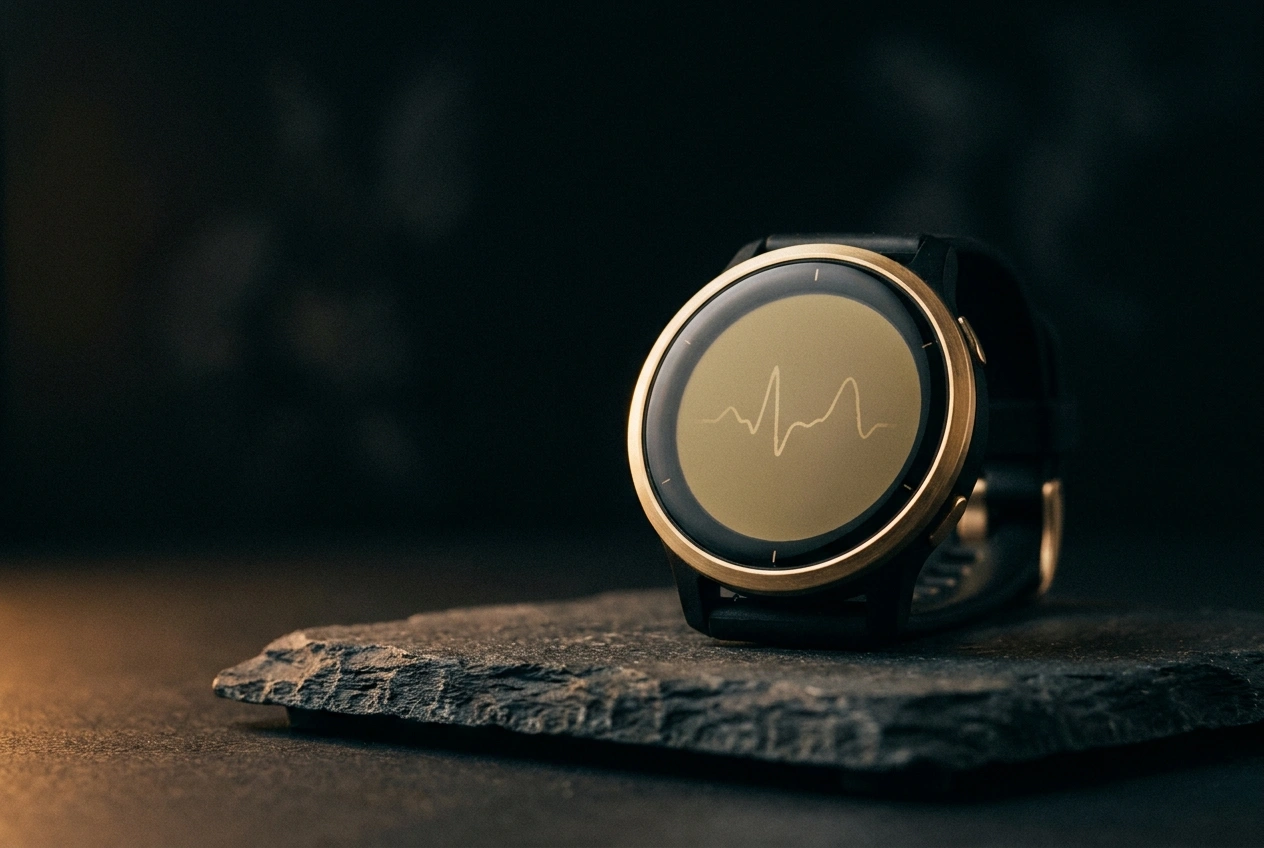
How to Improve Your Heart Rate Variability (HRV): A Practical Guide
Learn how to improve your HRV with paced breathing, better sleep, exercise, and less alcohol, plus how to track heart rate variability as a personal trend.
Read the field note → -

How to Stimulate Your Vagus Nerve: 8 Science-Backed Techniques
Discover how to stimulate your vagus nerve with 8 science-backed techniques. Slow breathing, cold exposure, humming and more, to calm stress and sleep.
Read the field note → -

Nervous System Dysregulation: Signs, Causes, and How to Regulate
Nervous system dysregulation explained: the real signs, what causes that wired-but-tired feeling, and an evidence-ranked toolkit to help you regulate it.
Read the field note → -

A Nervous-System Morning Routine: 7 Steps to Start the Day Calm
A nervous-system morning routine for anyone who wakes up anxious: 7 evidence-based steps using light, breath, and timing to set a calmer autonomic tone.
Read the field note → -

Polyvagal Theory Explained: A Simple Guide to Your Nervous System
Polyvagal theory explained in plain English: the three nervous-system states, neuroception, the vagal ladder, and an honest look at the scientific debate.
Read the field note → -

Shadow Work for Beginners: A Practical Guide (With 20 Prompts)
Shadow work for beginners, explained plainly: what it is, how to start safely, 20 journaling prompts, and why nervous-system regulation should come first.
Read the field note → -

Somatic Exercises for Anxiety: Releasing Stress From the Body
Somatic exercises for anxiety help you release stress the body holds onto. Learn 8 gentle, evidence-informed practices to signal safety and calm your system.
Read the field note → -

Umami and Satiety: Why Savory Foods Make You Feel Full
The honest science on umami, the savory fifth taste: how umami-rich foods signal satiety, why savory meals feel more satisfying and full, and how to use it.
Read the field note →
Go deeper than the field notes.
Subscriber-only protocols, the full archive, and the 432/528 Hz audio library, nervous-system science you can actually use. Free and paid tiers on Substack.
Free forever. Paid tiers optional. Read it first →